Compare Local Contractors for Drainage Swale Installation Services
Compare local contractors for drainage swale installation to define project scope, verify experience, and set clear expectations in writing for a successful project.
Drainage swale installation is a specialized service that involves creating a shallow, vegetated channel designed to direct excess water away from structures, foundations, or low-lying areas. This work typically includes site assessment, grading, shaping the land to ensure proper water flow, and sometimes installing erosion control measures or planting suitable vegetation. The goal is to manage surface water runoff effectively, preventing pooling, erosion, or water intrusion that could damage property or compromise landscape stability. Proper installation requires an understanding of local terrain, drainage patterns, and soil conditions to ensure the swale functions as intended over time.
Defining the scope of drainage swale work is essential for ensuring clear expectations and successful project outcomes. Property owners should communicate specific goals, such as the area to be drained, the volume of water to be managed, and any existing drainage concerns. Clarifying the extent of work-whether it involves just shaping the land or includes additional elements like erosion control or vegetation planting-helps prevent misunderstandings. Documenting these details in writing can serve as a reference throughout the project, ensuring that contractors understand the requirements and deliver results aligned with the property owner’s needs.
When comparing local contractors for drainage swale installation, property owners should consider experience with similar projects and familiarity with the local terrain and climate. It’s helpful to review the scope of services offered, including site assessment, grading, and any supplementary work such as erosion prevention or landscaping. Asking for references or examples of completed projects can provide insight into a contractor’s capabilities and reliability. Additionally, verifying that the contractor provides detailed written proposals that outline the scope, materials, and responsibilities can assist in making an informed decision. This approach ensures that property owners select service providers who are well-equipped to handle the specific demands of drainage swale work in their area.
Compare local contractors by outlining project priorities, verifying experience, and establishing clear scope and expectations in writing.
- Compare Contractor Experience - Review the background and expertise of local contractors to ensure they are qualified for drainage swale installation.
- Define Project Scope Clearly - Establish detailed work parameters in writing to set clear expectations for the installation process.
- Verify References and Past Work - Check references or previous projects to assess the quality and reliability of service providers.
- Request Written Agreements - Obtain detailed written agreements outlining the scope, responsibilities, and expectations before work begins.
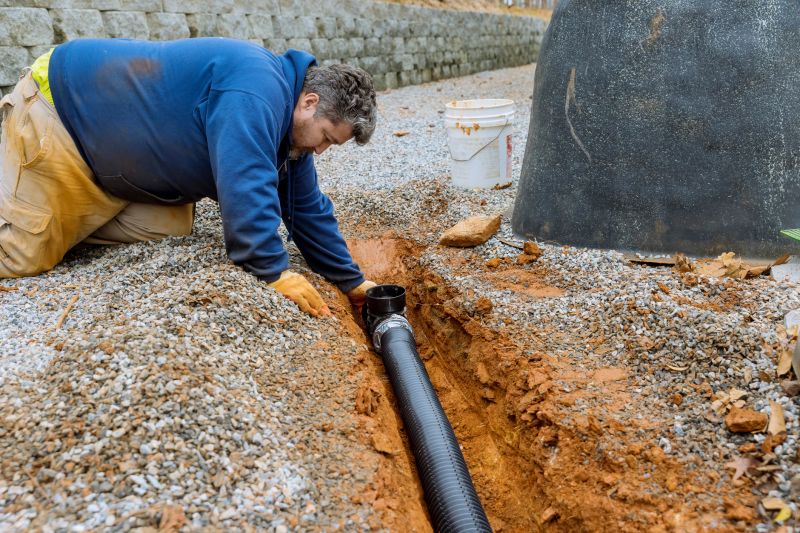
Compare local contractors by clearly describing your drainage swale project to help define scope, verify experience, and set expectations in writing.
- Verify experience and references related to drainage swale installation projects. - Ensuring contractors have a proven track record can help set clear expectations for quality work.
- Define the scope of work in writing, including design, materials, and site preparation details. - Clear documentation helps prevent misunderstandings and ensures all parties agree on project requirements.
- Compare multiple service providers to evaluate their expertise and approach to drainage swale installation. - Gathering information from various local contractors supports informed decision-making.
- Confirm that contractors understand local regulations and drainage standards applicable to the project. - Compliance with relevant codes can prevent future issues or modifications.
- Request detailed work descriptions and project plans to assess how each contractor plans to execute the installation. - Detailed plans facilitate comparison and help identify the most suitable service provider.
- Ensure all project expectations, responsibilities, and deliverables are documented in a written agreement. - Written agreements provide a reference point and help manage project scope and quality.
Compare local contractors' experience and clarify project scope to ensure successful drainage swale installation.
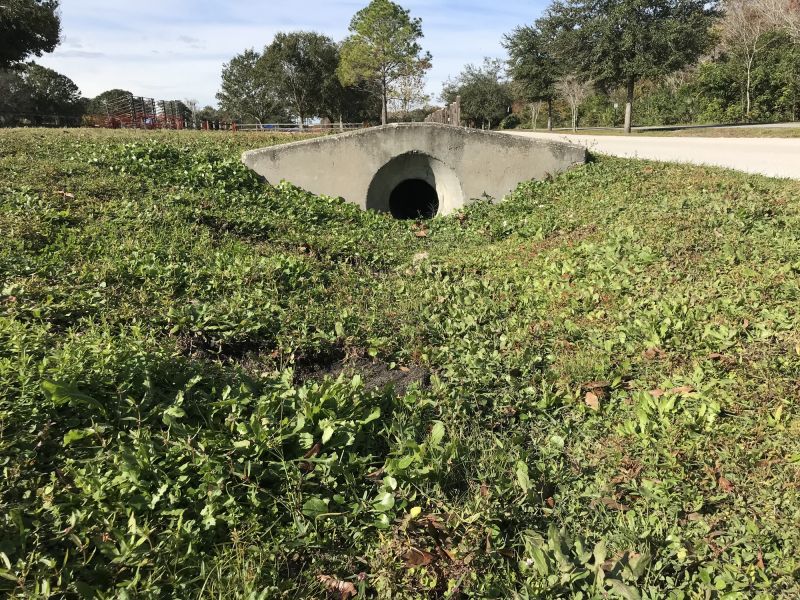
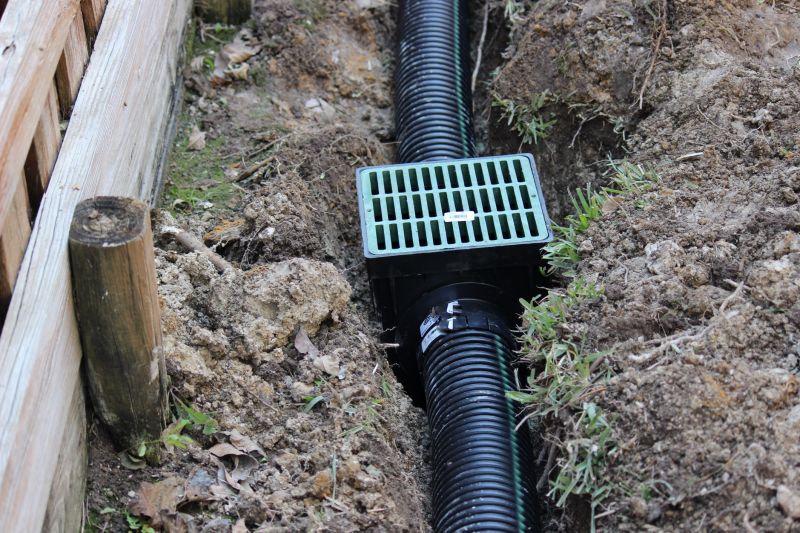
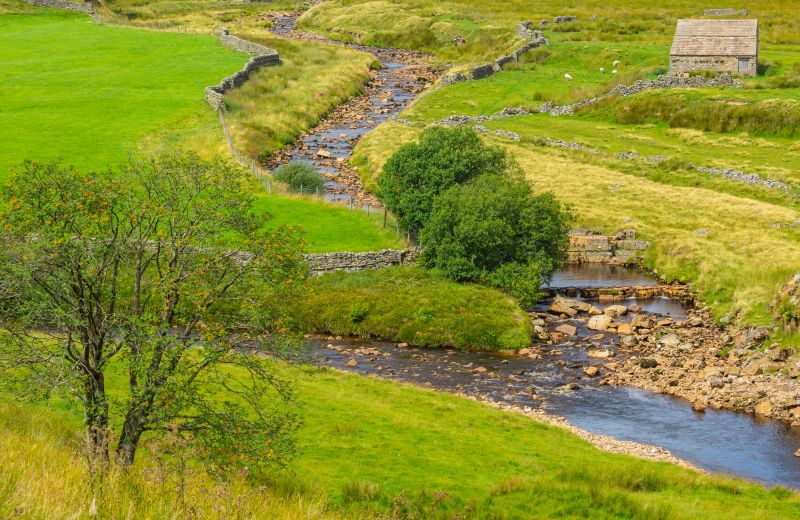
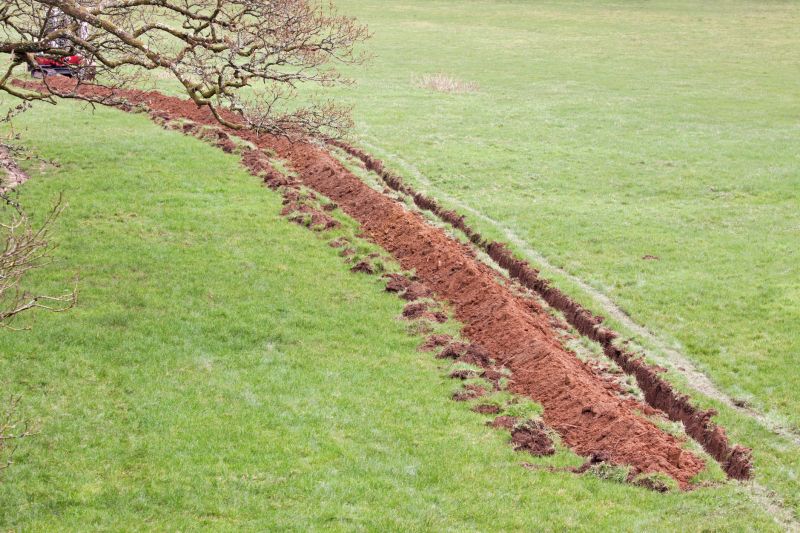
When comparing contractors for drainage swale installation, focus on defining scope, verifying experience, and maintaining consistent evaluation criteria.
- Scope Definition - Clearly outline the specific tasks and extent of drainage swale installation required for the project.
- Experience Verification - Confirm that local contractors have relevant experience with drainage swale design and installation.
- Material Specifications - Specify the types of materials and construction methods to be used in the installation process.
- Design Parameters - Establish the desired slope, capacity, and layout details to ensure proper drainage function.
- Documentation and Agreements - Ensure all project details, scope, and expectations are documented in a written agreement with the service provider.
When evaluating contractors for drainage swale installation, it is important to consider their experience with similar projects. Homeowners should inquire about the types of drainage solutions they have previously installed and whether they have worked on properties with comparable terrain and soil conditions. Contractors with a proven track record in handling drainage swales can offer insights into potential challenges and effective design approaches, helping to ensure the project aligns with site-specific needs.
A clear, written scope of work is essential for setting expectations and avoiding misunderstandings. The scope should detail the specific tasks involved, including site preparation, excavation, grading, and any necessary follow-up work. Homeowners are encouraged to request detailed descriptions of the proposed work and confirm that all aspects of the project are covered in writing. This documentation can serve as a reference point throughout the project and help ensure both parties agree on what will be completed.
Verification basics involve assessing a contractor’s background and understanding their approach to project planning. Homeowners should verify that the contractor has experience with drainage swale installation and ask about their process for assessing site conditions. It is also helpful to confirm that the contractor will perform a basic site evaluation, including soil stability and drainage patterns, to inform the scope and design. Gathering this information helps ensure the contractor’s approach is appropriate and that they are prepared to address site-specific factors.
When comparing options, homeowners should focus on the contractor’s experience, scope of work, and their method for verifying site conditions. It is beneficial to request detailed project descriptions and ask how the contractor plans to evaluate the site before beginning work. Clarifying these details in writing can help set realistic expectations and ensure that the project will be approached methodically. By emphasizing experience and thorough planning, homeowners can make informed choices among local service providers for drainage swale installation.
Ask contractors to provide written scope details to ensure clear expectations and consistent project understanding.
- Experience and References - What relevant experience do the local contractors have with drainage swale installation?
- Scope of Work - How do the contractors define and outline the specific scope of the drainage swale project?
- Comparison Criteria - What criteria should be used to compare different contractors’ approaches and expertise?
- Work Guarantees - Are the project scope and expectations documented in writing to ensure clarity and accountability?
- Specialization and Techniques - Do the service providers specialize in drainage solutions and use proven installation methods?
How can I compare contractors for drainage swale installation? It's helpful to review their experience, ask for references, and verify their familiarity with local regulations to ensure they are suitable for the project.
What should I clarify when defining the scope of a drainage swale project? Clearly outline the desired size, location, and purpose of the swale to help contractors provide accurate proposals and avoid misunderstandings.
How can I verify a contractor's experience with drainage swale installation? Request examples of past projects, inquire about their familiarity with similar sites, and check if they have relevant project references or portfolios.
Why is it important to have the project scope in writing? Having the scope documented ensures both parties agree on the work to be performed, reducing potential disputes and clarifying expectations.
What questions should I ask to ensure a contractor understands my drainage needs? Discuss the specific drainage issues, site conditions, and desired outcomes to confirm they have the knowledge to address your requirements effectively.
How can I ensure the contractor's proposal aligns with my project goals? Review the detailed scope, materials, and methods included in their proposal, and compare them with your initial expectations to find the best match.
This page has outlined key steps to help compare contractors for drainage swale installation, including defining the scope of work, verifying experience, and setting clear expectations in writing. Understanding these elements can assist in making informed choices when connecting with service providers in the area. Using the quote form allows for easy comparison of local contractors, helping to identify options that best match the project's needs.
Taking the time to evaluate local contractors based on their experience, scope of work, and written agreements can support a smoother project process. The quote form is a useful tool to gather information and compare different service providers in the community. This approach can help ensure that the selection of a contractor aligns with the specific requirements of the drainage swale installation.